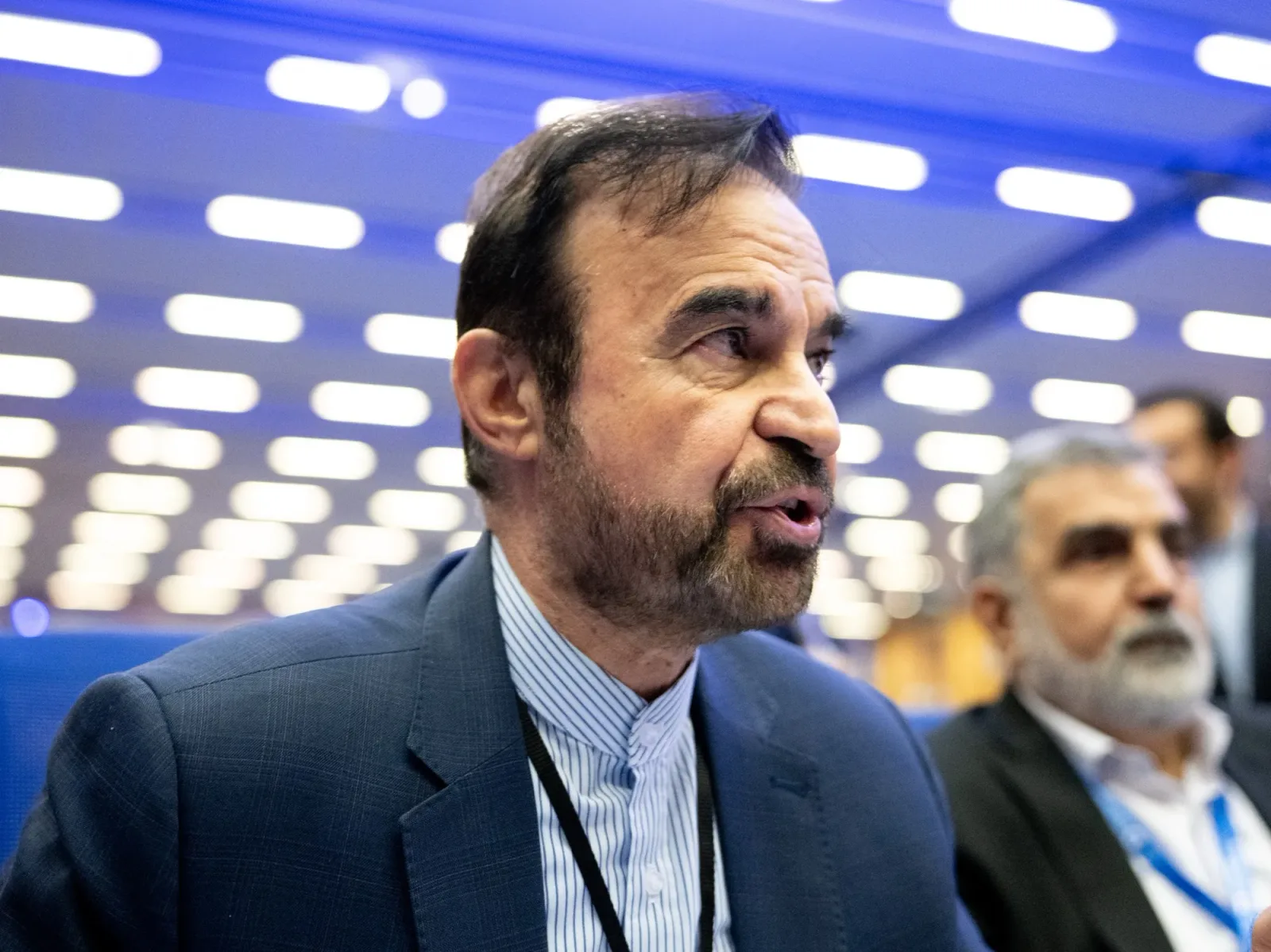
Iran has sharpened its resistance to international nuclear inspections, telling the International Atomic Energy Agency that it cannot be expected to submit to full monitoring while its facilities face the threat of American military attack. The position was laid out in a 10-page report circulated to diplomats late last week, according to people familiar with the document.
The report argues that recent assaults on Iran's nuclear sites and the continued risk of new strikes have created conditions that make normal verification work unworkable. Iranian diplomats contend that a country under active military pressure cannot be held to the same inspection standards as one at peace.
A shift in Tehran's negotiating posture
The message marks a harder line from Iran at a moment when prospects for a revived diplomatic agreement appear to be fading. For months, indirect talks between Tehran and Washington had raised the possibility of a framework that would limit Iranian enrichment in exchange for sanctions relief. Those discussions have been complicated by the ongoing conflict and by repeated warnings from US officials that military options remain on the table.
By formally tying inspection access to the security environment, Iran is effectively rejecting the transparency measures that Western powers and the IAEA have described as essential to any credible deal. The agency has long sought uninterrupted monitoring of centrifuge production, uranium stockpiles, and enrichment levels to ensure that material is not diverted toward weapons.
Inspections already degraded
IAEA oversight of Iran's nuclear program has been deteriorating for years. Tehran reduced cooperation after the United States withdrew from the 2015 nuclear accord and reimposed sanctions, and the situation worsened during the recent regional conflict. Cameras at sensitive sites have been removed or left in place but disconnected, while inspectors' access has been limited or delayed.