Turkey Finance Chief Says Climate Goals Need $300 Billion
Turkey will need about $300 billion of investment to meet its targets on transforming its energy system and lowering greenhouse gas emissions, Treasury and Finance Minister Mehmet Simsek said.
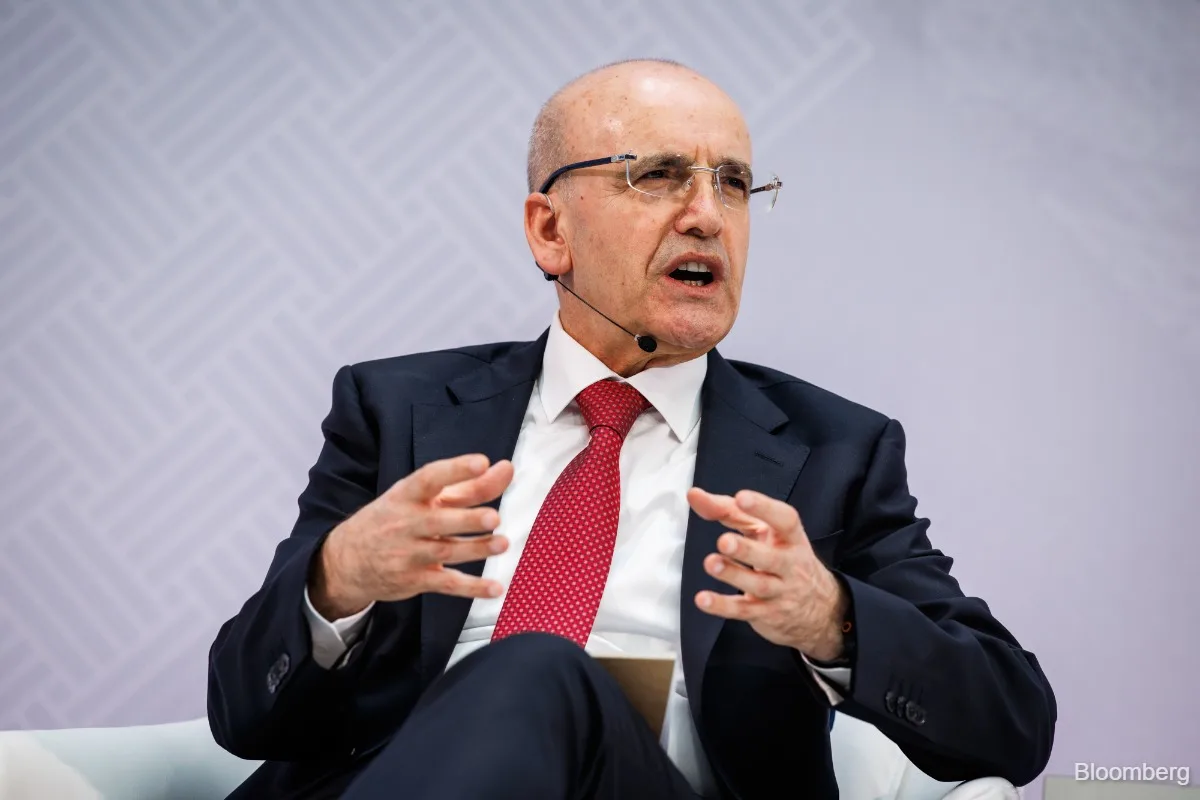
Turkey's Treasury and Finance Minister Mehmet Simsek · Source: Samuel Corum/Bloomberg
Turkey will need about $300 billion of investment to meet its climate and energy targets, Treasury and Finance Minister Mehmet Simsek said on Wednesday. The figure underscores the scale of financing required to shift one of the region's largest economies away from fossil fuels and toward cleaner power.
Simsek was speaking at the Global Finance Summit in Antalya, held on the sidelines of the COP31 climate conference. He framed the challenge around a straightforward question: whether Turkey can produce cheap, clean energy at a scale that allows industry to decarbonise without sacrificing growth.
The scale of the target
Turkey has set a net zero emissions target for 2053 and plans to expand its combined wind and solar capacity to 175 gigawatts by 2040. The country also needs to build out energy storage and modernise its transmission infrastructure to handle a more dispersed and variable power supply.
"The challenge is can you produce cheap, clean energy so that you can decarbonise the industry? What is doable? How much money is needed? How are we going to pay for it?" Simsek said during his appearance in Antalya.
Public money will not be enough
A central test for Ankara will be finding the resources to match its ambitions. Simsek made clear that public budgets alone cannot cover the bill, making it critical to bring in financing from multilateral development banks such as the World Bank Group and the European Bank for Reconstruction and Development.
The government's message is that international institutions will need to play a meaningful role if Turkey is to avoid a trade-off between cutting emissions and maintaining economic momentum. That balance matters for a country that has relied heavily on imported fuels to power its factories, transport networks and households.
Energy imports and the current-account deficit
Shifting to renewable energy is also a matter of macroeconomic stability. Energy purchases account for a large share of Turkey's current-account deficit, and the country has spent about $600 billion importing oil and natural gas over the past decade, according to Simsek.
Reducing that dependence would ease pressure on the lira and on foreign-exchange reserves, while creating a domestic energy base less exposed to price shocks in global hydrocarbon markets. The finance chief's emphasis on cheap clean energy reflects that dual goal: lower emissions and lower import bills.
What comes next
The $300 billion estimate is likely to shape Turkey's climate diplomacy and domestic planning in the years ahead. It sets a clear price tag for the transition and signals that Ankara expects a significant share of the funding to come from outside its own treasury.
For investors and development banks, the question will be whether Turkey can put in place the policies, regulations and project pipelines needed to absorb that level of capital. For Simsek, the immediate task is to convince both domestic audiences and international partners that the target is ambitious but achievable.