Citigroup's China License Gives It an Edge Over Rivals, Says CEO Jane Fraser
Citigroup Chief Executive Jane Fraser has framed the bank's newly secured securities license in China as more than a regulatory milestone. Speaking in Shanghai, she said the approval completes Citigro
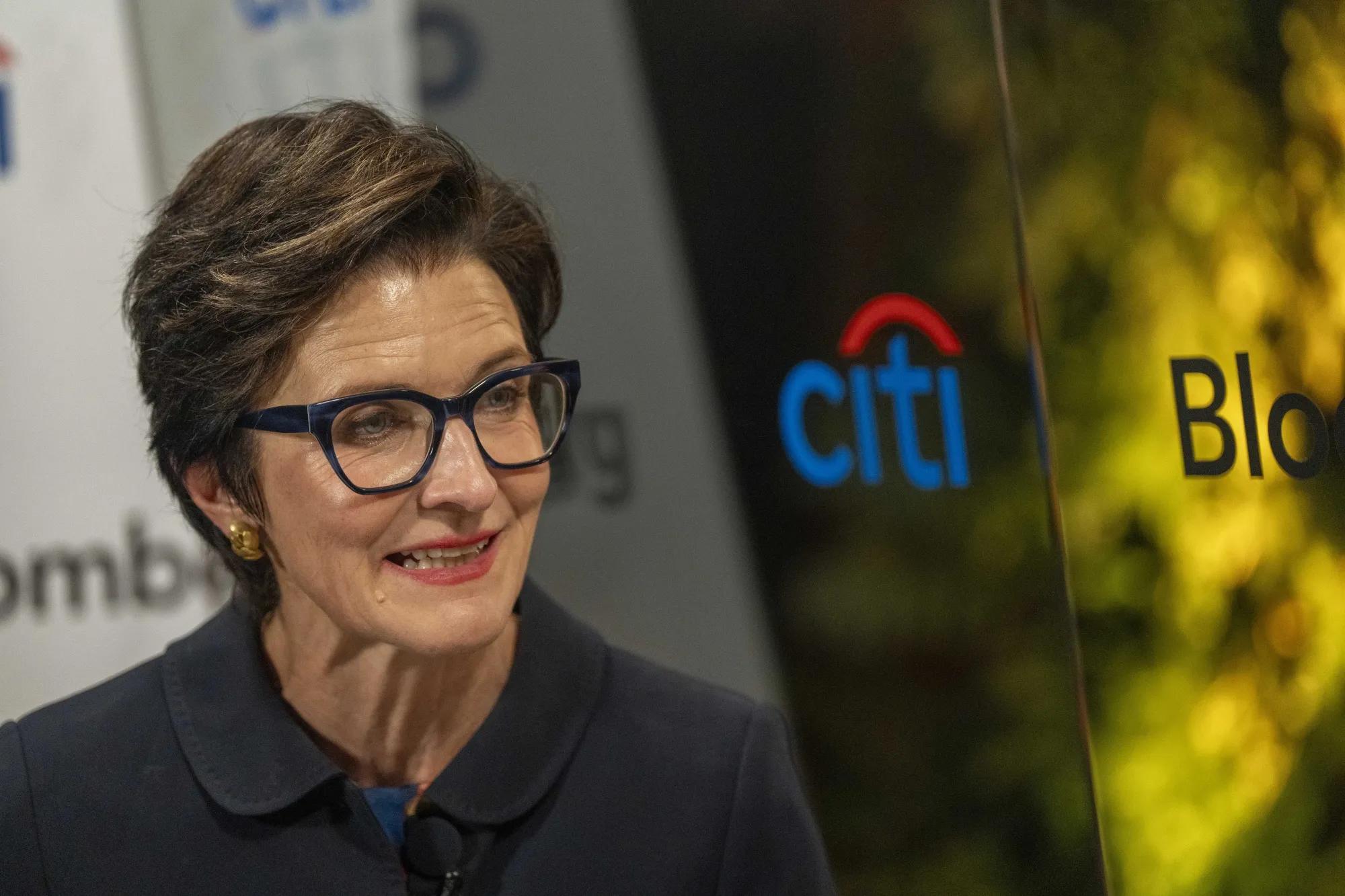
Jane Fraser in Shanghai on Nov. 10. · Source: Raul Ariano/Bloomberg
Citigroup Chief Executive Jane Fraser has framed the bank's newly secured securities license in China as more than a regulatory milestone. Speaking in Shanghai, she said the approval completes Citigroup's product lineup in the country and puts the lender in a stronger position than rivals that are still trying to build a full suite of services.
The license allows Citigroup to offer a broader range of securities-related products to clients in China. That matters in a market where global banks have long been limited to narrow corners of the financial system. With the new permit, the US bank can connect its onshore presence to its international network more directly.
Fraser's message to competitors was pointed. She said the bank's history in China, combined with its global reach and the new license, creates a distinctive offering that others will find hard to match quickly. The comment reflects Citigroup's confidence that regulatory progress can translate into market share.
The announcement comes at a delicate moment for foreign banks operating in China. The country's economy is growing more slowly than in previous decades, property-sector stress remains, and geopolitical tensions have made some Western institutions cautious about expanding. Yet Fraser's tone suggested Citigroup sees opportunity where others see risk.
For Citigroup, China is part of a wider strategy to build a more focused international franchise. Under Fraser, the bank has been streamlining operations, exiting consumer markets where it lacks scale and concentrating on institutional clients and cross-border business. A fuller China platform fits that model.
The competitive landscape is not standing still. JPMorgan, Goldman Sachs and Morgan Stanley have also been pushing deeper into Chinese markets, winning their own licenses and hiring local talent. Fraser's warning implies she believes Citigroup's combination of global network and local permissions now gives it an advantage.
Investors will watch whether the license leads to measurable revenue growth. Opening a new product line is one thing; persuading Chinese companies, funds and wealthy individuals to use it is another. Execution, relationship management and regulatory compliance will determine how much of an edge the bank actually gains.
Still, the symbolism matters. In a financial market often seen as tightening for foreign players, Citigroup has secured a tool that many peers want. How it uses that tool will shape its standing in one of the world's largest economies for years to come.