From Dubai to International Markets: The Strategy Behind Hanen Benabdeladhim's Business Network
Hanen Benabdeladhim coordinates a global business network from Dubai, using regional platforms in Ireland, Asia and the Americas to build relationships that support cross-border introductions, market knowledge and commercial cooperation.
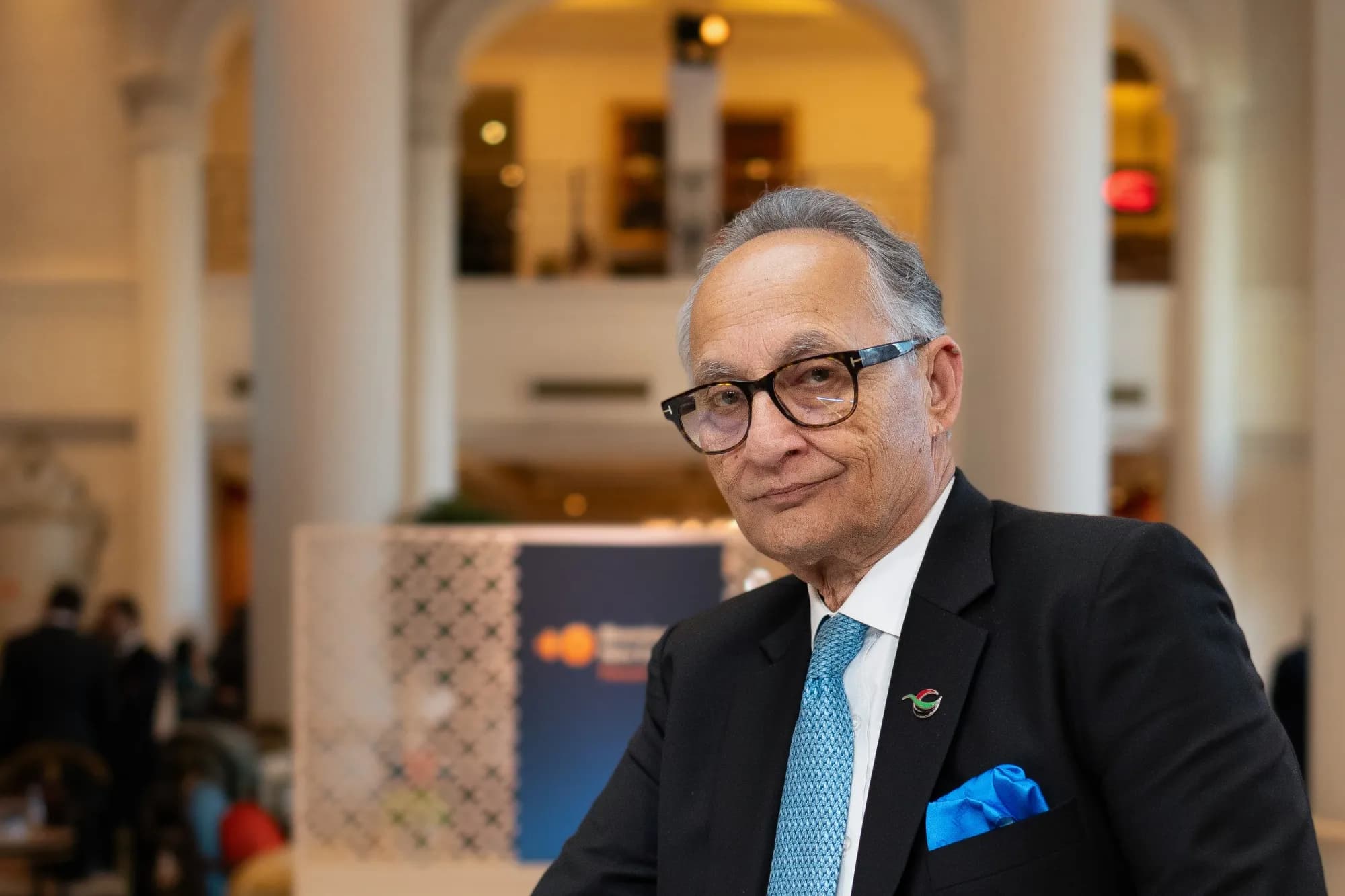
Hanen Benabdeladhim, who coordinates an international business network from Dubai. · Source: TAY Group
Hanen Benabdeladhim has built her international business network around a simple geographic idea: use a strong regional base to coordinate relationships across multiple continents. From her group's headquarters in Dubai, she manages a web of professional connections that stretches through Europe, Asia and the Americas, treating each region as a distinct source of opportunity.
The approach is deliberate. Rather than pursuing every market with the same playbook, Benabdeladhim matches the strengths of each location to specific business needs. Some relationships provide introductions. Others offer market intelligence. Still others become partners in commercial cooperation. The value lies in how these different connections fit together.
Dubai as the operating base
Dubai serves as the central coordination point. The city's position between Europe, Africa and Asia, its established logistics infrastructure and its status as a hub for aviation, trade and finance make it a natural base for an international group. From there, Benabdeladhim can oversee relationships, move between time zones and bring together stakeholders from different parts of the world.
The UAE's role goes beyond convenience. It is a place where many of the businesses in TAY Group's orbit already operate or pass through, creating a steady flow of potential partners, clients and advisors.
Ireland as a European platform
For European and Middle East bridge-building, Benabdeladhim uses her Irish business activities as a platform. Ireland offers access to European markets, a stable regulatory environment and deep ties to international investment. It also functions as a credible entry point for Middle Eastern capital and companies looking to expand westward.
Through Ireland, she develops Europe-Middle East business and investment relationships. The combination works because each side brings something the other needs: European institutional depth and Middle Eastern growth capital.
Connections across Asia
Benabdeladhim's Asian network spans South Korea, Malaysia, the Philippines, Sri Lanka and Bangladesh. These markets differ widely in size, maturity and sector focus, but each offers specific opportunities that fit into a broader emerging-market strategy.
South Korea brings advanced manufacturing and technology partnerships. Malaysia and the Philippines offer logistics, services and growing consumer markets. Sri Lanka and Bangladesh provide access to trade corridors, textiles and labor-intensive industries. Maintaining active relationships across this diversity requires regular travel, local representation and a willingness to adapt expectations.
Reach into the Americas
The network also extends to the United States and several Latin American markets. In the US, the focus tends to be on investment, technology and strategic partnerships. In Latin America, the opportunities are more varied, ranging from trade and energy to infrastructure and agriculture.
These American relationships add another dimension. They connect Benabdeladhim's network to deep capital markets on one side and to fast-growing developing economies on the other.
One network, different opportunities
The underlying strategy is to treat the network as a single asset with many regional uses. A contact in Seoul might help evaluate a technology investment. A relationship in Dublin might open a European funding channel. A partner in Dubai might coordinate logistics across the Middle East and Africa. A connection in Miami or São Paulo might introduce a Latin American opportunity.
Benabdeladhim's skill is in understanding how these regional relationships can support one another. She does not treat each introduction as isolated. Instead, she maps how knowledge, trust and commercial interest flow between regions, turning a collection of contacts into an integrated business network.
The long-term payoff
Building this kind of network takes time and consistent attention. It requires showing up, following through and maintaining relationships even when no immediate deal is available. But the payoff is a platform that can respond to opportunities wherever they emerge.
For Benabdeladhim, the goal is not simply to have contacts in many countries. It is to have the right relationships in the right places so that when an opportunity appears, the path to execution already exists.