
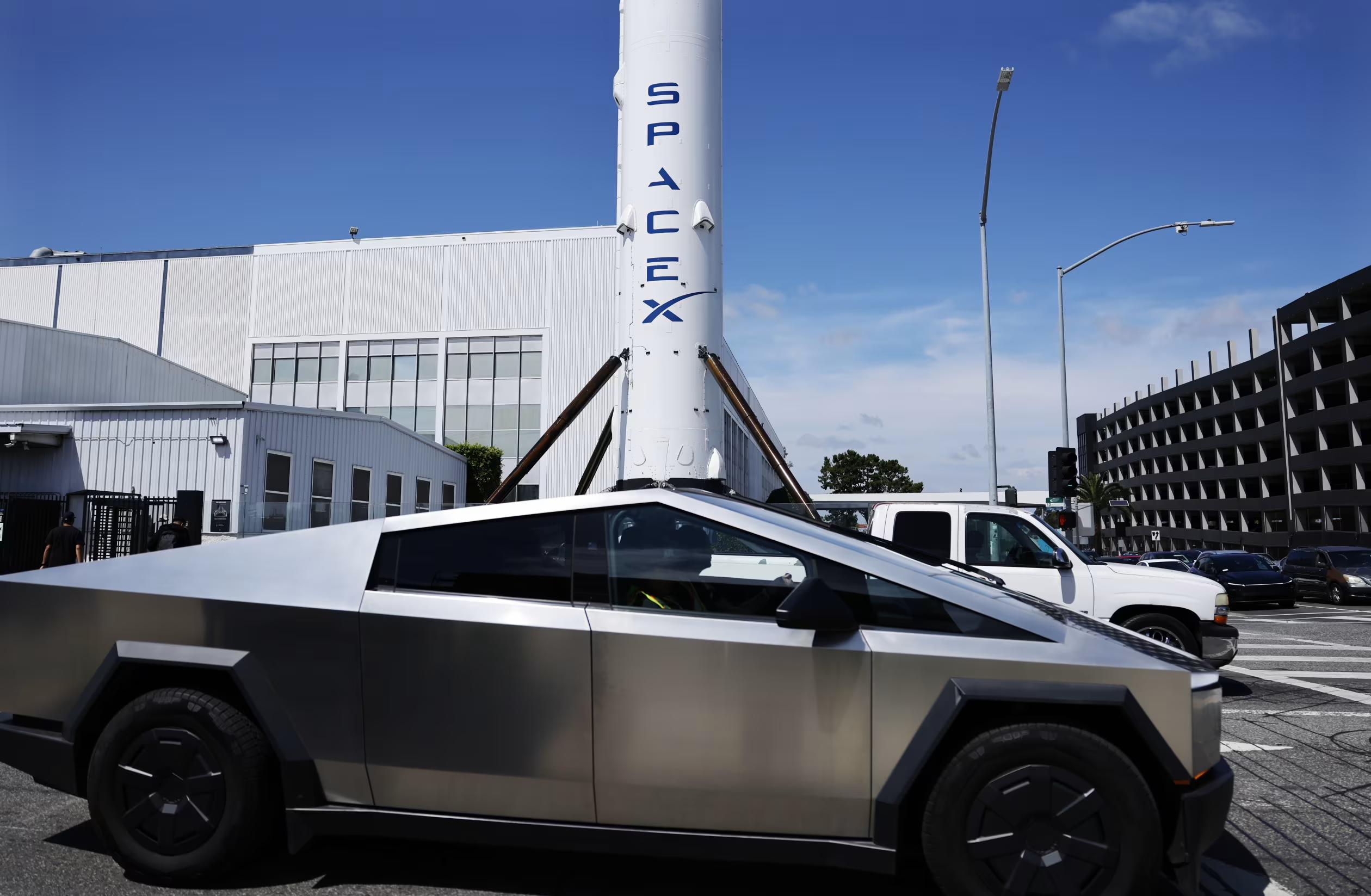
Talk of a possible merger between Tesla and SpaceX has investors weighing a deal that would be unlike almost anything seen before, and analysts say there's good reason for skepticism. Historically, mergers and acquisitions fail to create value roughly 70% to 75% of the time, and that failure rate tends to climb further for unusually large deals — a category a Tesla-SpaceX combination would fall into by a wide margin, given it would rank as the largest merger in history.
Unclear synergies, uneven performance
Beyond sheer size, the strategic logic of combining an automaker with a rocket and satellite company isn't obvious. SpaceX has posted much faster growth than expected, while Tesla's revenue has been flat, with its core car business still waiting on projects like robo-taxis and the Optimus robot to meaningfully contribute. Critics argue that merging a fast-growing aerospace business with a struggling automaker risks diluting the stronger business's returns rather than creating meaningful synergy between the two.